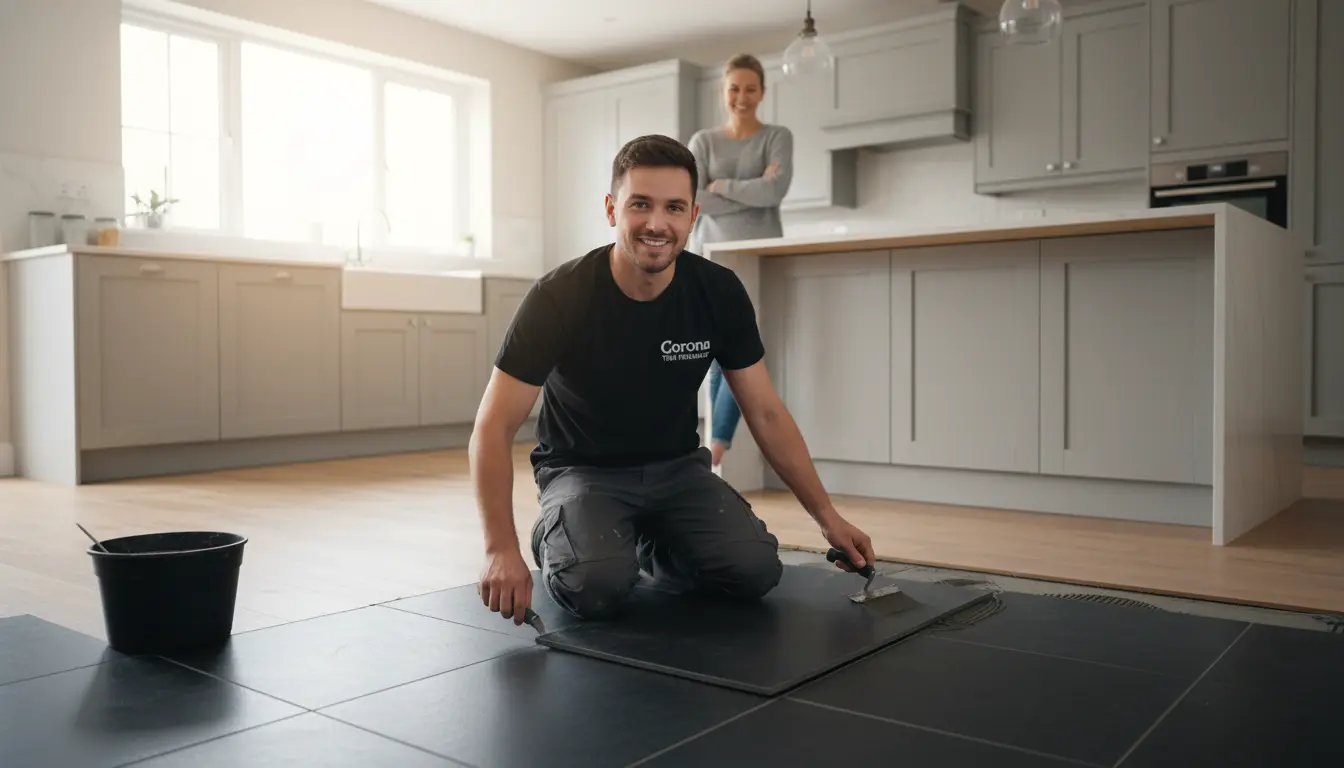
As a homeowner in Corona, you’re likely no stranger to the frustration of loose tiles. Not only can they be an eyesore, but they can also pose a significant safety risk, particularly in high-traffic areas or when water is involved. The cost of repairing or replacing loose tiles can quickly add up, with the average homeowner spending upwards of $1,000 to $3,000 per incident. Furthermore, if left unaddressed, loose tiles can lead to more severe issues, such as water damage, mold growth, and even structural problems.
In Corona, the unique combination of seismic activity, arid climate, and typical residential architectural styles can exacerbate the issue of loose tiles. Seismic considerations, for instance, require the use of specific flexible mortars to ensure that tiles can withstand the stresses of earthquakes. Meanwhile, the Inland Empire heat can affect the open time of thinset, necessitating adjustments in the tile installation process. Common local sedimentary dust can also impact the longevity and appearance of tiles, making regular maintenance crucial.
At Corona Tile Installer, we understand the importance of precision-engineered tile work for moisture management and property value in Corona. As the premier surface specialist in the area, we have seen firsthand the consequences of subpar tile installations and the benefits of high-quality workmanship. In this article, we will delve into the reasons behind loose tiles, the technical process of professional tile installation, and the expertise required to ensure that your tiles remain secure and durable for years to come.
Technical Process
A professional tile installation is not just a matter of laying tiles; it involves a meticulous, step-by-step process that ensures the structural integrity and aesthetic appeal of the final product. The first step in this process is substrate preparation and leveling, which is critical for preventing uneven tiles and ensuring a strong bond between the tile and the substrate. This is followed by waterproofing and crack isolation, which protects the substrate from water damage and prevents cracks from forming in the tile.
Next, the layout is engineered to ensure that the tiles are properly aligned and spaced, taking into account factors such as the size and shape of the tiles, the pattern, and the location of movement joints. The mortar is then applied, using a notched trowel calibrated for the specific coverage required by the tile and substrate. The tiles are then laid, using a laser level to ensure perfect alignment and a mechanical bond that will withstand the stresses of use.
Finally, the tiles are grouted, using an epoxy or cementitious grout that is suitable for the specific application and location. In Corona, the choice of grout may be influenced by factors such as the high ambient temperatures, which can affect the open time of the grout, and the need for a grout that can withstand the unique conditions of the Inland Empire climate. For more information on the importance of proper grout selection, visit our 5 Essential Tips for Tile Installation in Corona, CA Homes page.
Data Comparison Table
When it comes to choosing the right tile for your project, there are many factors to consider, including the type of tile, the substrate, and the location. The following table compares two common types of tile, porcelain and natural stone, in terms of their porosity rating, flexural strength, and maintenance load.
| Feature/Metric | Porcelain | Natural Stone |
|---|---|---|
| Porosity Rating | 0.5% | 2-5% |
| Flexural Strength | 400-500 psi | 100-300 psi |
| Maintenance Load | Low | High |
Expert Insights
As a certified senior tile and stone specialist, we have seen firsthand the importance of proper tile installation and maintenance. Here are three advanced professional tips to keep in mind when working with tiles in Corona: first, the necessity of movement joints in large-format tile layouts to accommodate expansion and contraction; second, the importance of selecting the correct tile rating for slip resistance in high-traffic areas; and third, the need to use a suitable underlayment material to prevent substrate deflection and ensure a long-lasting installation.
Common mistakes that homeowners make when installing tiles include using spot bonding techniques, failing to flood-test shower pans, and using acidic cleaners on natural stone. These mistakes can lead to serious consequences, such as cracked tiles, mold growth, and permanent surface etching.
Pricing
The cost of tile installation in Corona can vary widely, depending on factors such as the type and quality of the tile, the complexity of the layout, and the need for specialized labor or materials. Here are some general pricing structures to keep in mind: per square foot for labor, specialized rates for intricate patterns or designs, and flat fees for prep work such as subfloor demolition.
Some factors that can influence the cost of tile installation include the need for subfloor remediation, the fragility of the tile material, and the complexity of the layout. For example, a tile installation that requires a high level of precision and craftsmanship, such as a herringbone or chevron pattern, may be more expensive than a standard installation. Similarly, the use of high-end or exotic tile materials can increase the cost of the project.
Safety and Standards
At Corona Tile Installer, we are committed to upholding the highest standards of safety and quality in our work. We are certified by the Ceramic Tile Education Foundation (CTEF) and comply with all relevant industry standards, including those set by the Tile Council of North America (TCNA) and the Occupational Safety and Health Administration (OSHA).
We also prioritize the use of zero-VOC mortars and anti-microbial grout systems to protect indoor air quality and ensure long-term structural safety. For more information on our commitment to safety and quality, visit our About Us page.
FAQ Section
What is the best type of tile to use in a bathroom?
The best type of tile to use in a bathroom depends on several factors, including the location, traffic, and moisture levels. Generally, porcelain or ceramic tiles are good options for bathrooms because they are durable, water-resistant, and easy to clean. However, natural stone tiles such as marble or travertine can also be used, provided they are properly sealed and maintained.
How often should I clean my tile floors?
The frequency of cleaning your tile floors depends on the amount of traffic and dirt they receive. Generally, it’s a good idea to sweep or vacuum your tile floors daily to remove dirt and debris, and to mop them weekly with a gentle cleaner. For more heavy-duty cleaning, such as removing stubborn stains or grout haze, it’s best to consult a professional tile cleaner or restorer.
Can I install tile over existing flooring?
It’s generally not recommended to install tile over existing flooring, as this can create a number of problems, including uneven surfaces, poor bonding, and increased risk of water damage. Instead, it’s best to remove the existing flooring and install the tile directly over the substrate. However, in some cases, such as when installing tile over a concrete slab, it may be possible to use a specialized underlayment material to create a smooth, even surface.
What is the difference between epoxy and cementitious grout?
Epoxy grout and cementitious grout are two common types of grout used in tile installations. Epoxy grout is a two-part mixture that hardens when combined, creating a strong, durable bond between the tile and the substrate. Cementitious grout, on the other hand, is a water-based mixture that hardens over time, creating a more flexible bond. Epoxy grout is generally more resistant to stains and water damage, but it can be more difficult to work with and may require specialized tools and equipment.
Professional Tile Care in Corona
In conclusion, the key to ensuring that your tiles remain secure and durable for years to come is to invest in high-quality, precision-engineered tile work. At Corona Tile Installer, we are dedicated to providing the highest level of technical expertise and customer service to our clients, and we are committed to upholding the highest standards of safety and quality in our work. Whether you’re looking to install new tile, repair or replace existing tile, or simply maintain your current tile surfaces, we invite you to contact us to learn more about our services and to schedule a consultation with one of our certified tile specialists. For more information on our services, visit our Ceramic Wall Tiles page or our South Corona page.
Final Thoughts
By choosing Corona Tile Installer for your tile installation and maintenance needs, you can trust that your surfaces are in good hands. Our team of certified tile specialists has the expertise and experience to ensure that your tiles are installed correctly, maintained properly, and protected against the unique conditions of the Corona climate. For a free consultation and to learn more about our services, please visit our Contact Us page or our Blog page.