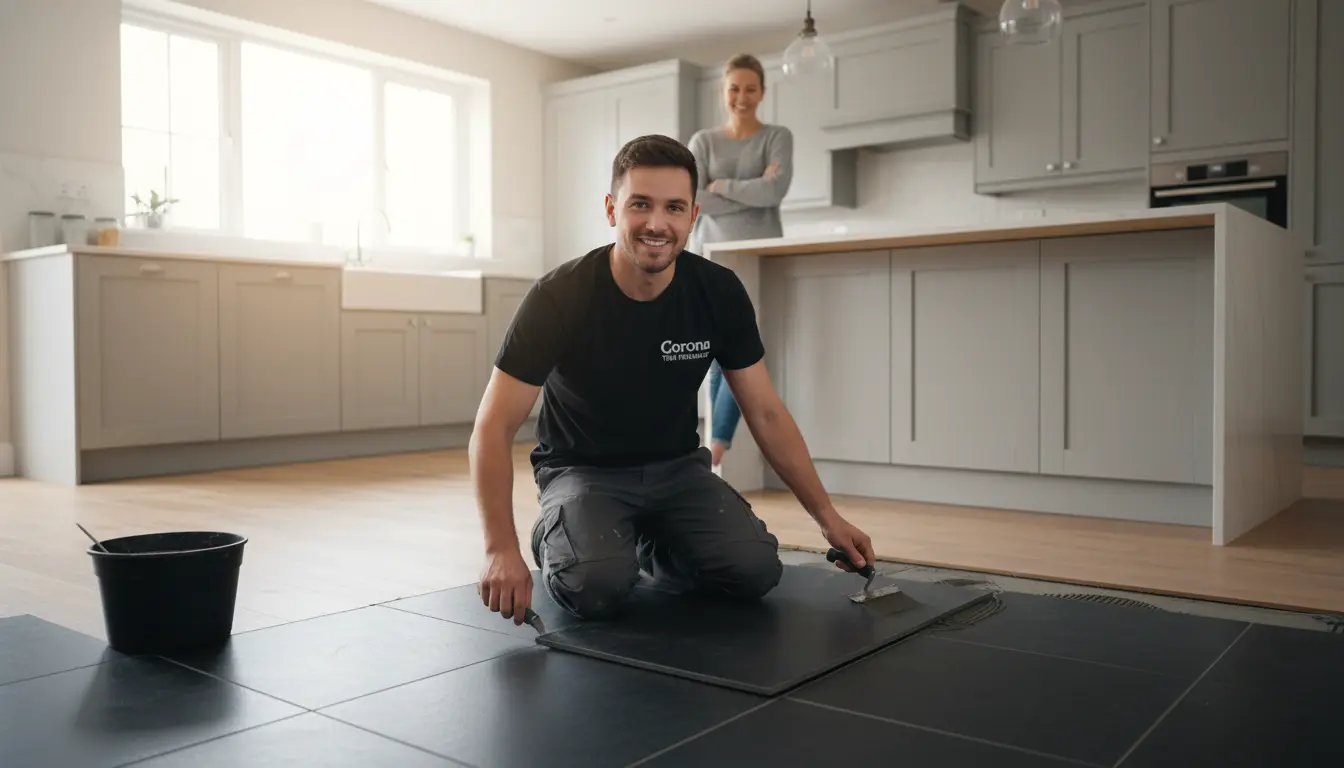
As a seasoned tile specialist in Corona, California, I’ve seen my fair share of tile installation projects gone wrong. Just last week, I was called to a residential site in the Canyon Crest area where a DIY tile installation had resulted in a badly cracked and uneven floor. The homeowner, who had opted to save money by doing it themselves, was now facing a costly repair bill. This scenario is all too common in our line of work, and it highlights the importance of creating a realistic budget for a tile installation project. A well-planned budget can help homeowners avoid costly mistakes and ensure that their tile installation is done correctly from the start.
In Corona, where the hot and dry climate can be challenging for tile installations, it’s especially crucial to factor in the costs of specialized materials and labor. For instance, the use of flexible mortars and waterproofing membranes can add to the overall cost of the project, but they are essential for ensuring the longevity and durability of the tile. As a professional tile installer, I always advise my clients to consider these factors when planning their budget. By doing so, they can avoid surprises down the line and ensure that their tile installation is completed on time and within budget.
At Corona Tile Installer, we pride ourselves on being the premier tile installation specialists in the area. Our team of experts has years of experience in handling complex tile installations, from living room tile installations to kitchen backsplash installations. We understand the unique challenges of the Corona climate and have the expertise to ensure that every tile installation is done to the highest standards.
Technical Process
The technical process of tile installation involves several critical steps, each of which requires careful planning and execution. First, the substrate must be prepared and leveled to ensure a stable and even surface for the tile. This may involve the use of specialized tools, such as wet saws with diamond blades, to cut and shape the tile. Next, the tile must be laid out and installed, using a combination of mechanical and chemical bonding agents to secure it to the substrate. Finally, the tile must be grouted and sealed, using a range of specialized products and techniques to protect it from moisture and wear.
One of the key challenges of tile installation in Corona is the high ambient temperature, which can affect the open time of adhesives and the curing time of grouts. To overcome this challenge, we use specialized products and techniques, such as the use of polymer-modified thinset and epoxy-based grouts, which are designed to perform well in high-temperature environments. We also take care to ensure that the tile is installed with the correct amount of spacing and expansion joints, to allow for thermal movement and prevent cracking.
Data Comparison Table
When it comes to choosing the right tile for your installation, there are many factors to consider. One of the key decisions is between porcelain and natural stone tile. The following table compares some of the key features and benefits of each option:
| Feature/Metric | Porcelain Tile | Natural Stone Tile |
|---|---|---|
| Porosity Rating | 0.1-0.5% | 1-5% |
| Flexural Strength | 300-500 psi | 100-300 psi |
| Maintenance Load | Low | High |
Source: TCNA Handbook for Ceramic, Glass, and Stone Tile Installation
Expert Insights
As a professional tile installer, I’ve learned a thing or two about what works and what doesn’t. One of the most common mistakes homeowners make is using the wrong type of adhesive or grout for their tile installation. This can lead to a range of problems, from uneven tile to water damage and mold growth. To avoid these mistakes, it’s essential to choose the right products for your specific tile and substrate, and to follow the manufacturer’s instructions carefully.
Another key consideration is the importance of movement joints in large-format tile installations. These joints allow for thermal movement and can help to prevent cracking and unevenness in the tile. By including movement joints in your tile installation, you can help to ensure that your tile lasts for years to come. For more information on tile installation in Corona, be sure to check out our blog.
Pricing
The cost of a tile installation project can vary widely, depending on a range of factors, including the type and quality of the tile, the complexity of the installation, and the location of the project. Here are some factors that can influence the cost of a tile installation project:
- Subfloor remediation: This can add significant cost to a tile installation project, especially if the subfloor is uneven or damaged.
- Tile material: The type and quality of the tile can affect the overall cost of the project. For example, natural stone tile is generally more expensive than porcelain tile.
- Complexity of the installation: Installations that involve complex layouts or cuts can be more time-consuming and expensive than simpler installations.
Safety and Standards
At Corona Tile Installer, we take safety and standards very seriously. We are committed to following all relevant safety protocols and industry standards, including those related to silica dust, OSHA regulations, and TCNA compliance. We also use only the highest-quality products and materials, including zero-VOC mortars and anti-microbial grout systems, to ensure that our tile installations are safe and durable.
FAQ Section
What is the best type of tile for a kitchen backsplash?
The best type of tile for a kitchen backsplash will depend on a range of factors, including your personal style, budget, and the specific requirements of your kitchen. Some popular options include glass tile, ceramic tile, and natural stone tile. Each of these options has its own unique benefits and drawbacks, so it’s essential to do your research and choose the tile that best meets your needs.
How do I care for and maintain my tile installation?
To care for and maintain your tile installation, it’s essential to follow a regular cleaning and maintenance routine. This should include sweeping or vacuuming the tile regularly to remove dirt and debris, and cleaning the tile with a gentle detergent and water. You should also avoid using harsh chemicals or abrasive cleaners, as these can damage the tile or grout. For more information on tile maintenance and repair, be sure to check out our blog.
Can I install tile myself, or do I need to hire a professional?
While it’s possible to install tile yourself, it’s generally recommended that you hire a professional tile installer. Tile installation can be a complex and challenging process, especially for larger or more complex installations. A professional tile installer will have the experience and expertise to ensure that your tile is installed correctly and safely, and will be able to handle any unexpected issues that may arise during the installation process. For more information on DIY vs. professional tile installation, be sure to check out our blog.
Professional Tile Care in Corona
In conclusion, creating a realistic budget for a tile installation project requires careful planning and consideration of a range of factors, including the type and quality of the tile, the complexity of the installation, and the location of the project. By working with a professional tile installer and following the tips and guidelines outlined above, you can help to ensure that your tile installation is completed on time, within budget, and to the highest standards. At Corona Tile Installer, we are committed to providing our clients with the best possible service and results, and we look forward to working with you on your next tile installation project. For more information on our heated floor installation and other services, be sure to check out our website.