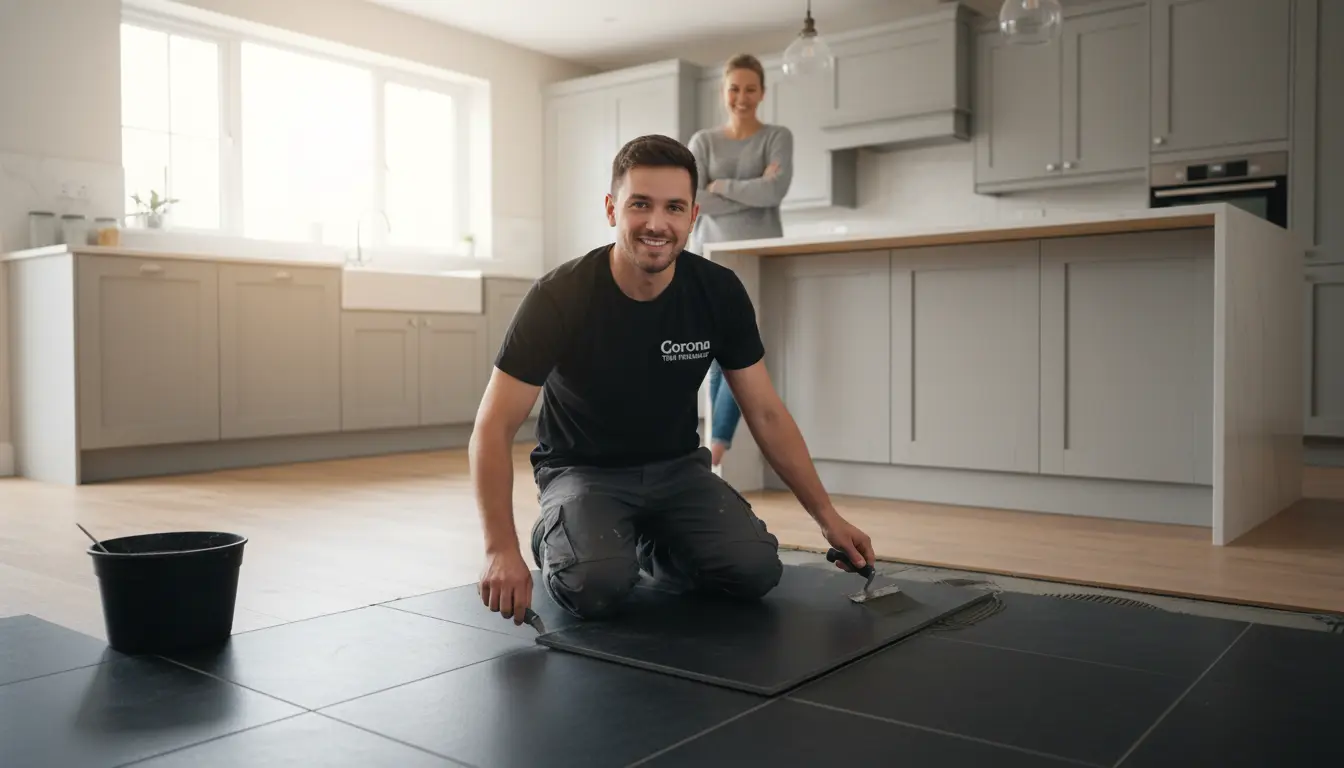
As a homeowner in Corona, California, you’re likely no stranger to the importance of durable, well-installed tile surfaces in your home. From the scorching heat of summer to the mild winters, the Inland Empire climate can be brutal on indoor and outdoor tile installations. That’s why precision-engineered tile work is critical for moisture management and property value in Corona. A well-designed and properly installed tile surface can make all the difference in maintaining the structural integrity and aesthetic appeal of your home.
At Corona Tile Installer, we understand the unique challenges posed by the local climate and soil conditions. Our team of certified senior tile and stone specialists has years of experience in providing top-notch tile installation services to homeowners in Corona and surrounding areas. From living room tile installation to kitchen backsplash installation, we’ve got the expertise and equipment to handle any tile installation project.
But how do you negotiate tile installation prices without sacrificing quality? It’s a common dilemma faced by many homeowners in Corona. The key is to find a reputable and experienced tile installer who can provide you with a fair and transparent quote for your project. In this article, we’ll explore the factors that influence tile installation prices, provide tips on how to negotiate with your contractor, and discuss the importance of investing in high-quality tile surfaces for your home.
Understanding the Tile Installation Process
The tile installation process involves several critical steps, from substrate preparation and leveling to waterproofing, layout engineering, mortar application, and epoxy or cementitious grouting. Each step requires specialized tools and expertise to ensure a successful installation. For example, our team uses wet saws with diamond blades to cut tiles precisely, and notched trowels calibrated for coverage to apply the perfect amount of mortar. We also take into account local variables such as high ambient temperatures in Corona and how aridity dictates the chosen “open time” for adhesives and specific grout additives.
A thorough understanding of the tile installation process is essential for negotiating prices with your contractor. By knowing what to expect and what questions to ask, you can ensure that you’re getting a fair deal for your project. For more information on the benefits of professional tile installation, check out our article on DIY vs Pro Tile Installation Pros and Cons for Corona Homes.
Comparing Tile Options
When it comes to choosing the right tile for your project, there are many factors to consider. From porosity rating to flexural strength, each type of tile has its unique characteristics and benefits. The following table compares two popular tile options:
| Feature/Metric | Ceramic Tile | Natural Stone |
|---|---|---|
| Porosity Rating | 0.5% | 1.5% |
| Flexural Strength | 300 psi | 500 psi |
| Maintenance Load | Low | High |
Source: TCNA Handbook for Ceramic, Glass, and Stone Tile Installation
By understanding the differences between various tile options, you can make an informed decision for your project and negotiate a better price with your contractor. For more information on tile selection, check out our Ultimate Guide to Choosing Durable Tiles for Riverside Kitchens.
Expert Insights and Common Mistakes
As a certified senior tile and stone specialist, I’ve seen many homeowners make common mistakes when it comes to tile installation. From using “spot bonding” techniques to failing to flood-test shower pans, these mistakes can lead to costly repairs and maintenance down the line. Here are three advanced professional tips to keep in mind:
Firstly, it’s essential to select the correct tile rating for slip resistance in your foyer or bathroom. Secondly, movement joints are crucial in large-format tile layouts to accommodate thermal expansion and contraction. Finally, using acidic cleaners on natural stone can cause permanent surface etching and damage. By avoiding these common mistakes and following expert advice, you can ensure a successful and long-lasting tile installation.
Pricing and Cost Factors
Tile installation prices can vary widely depending on several factors, including:
- Subfloor remediation for out-of-level slabs
- Tile material fragility and handling requirements
- Complex layout requirements involving water-jet mosaics
- Specialized rates for intricate patterns (herringbone/chevron)
- Flat fees for prep work like subfloor demolition
By understanding these cost factors and negotiating a fair price with your contractor, you can ensure that your tile installation project stays within budget. For more information on tile installation costs, check out our article on 5 Essential Tips for Tile Installation in Corona, CA Homes.
Safety and Standards
At Corona Tile Installer, we prioritize safety and adherence to industry standards in all our projects. From silica dust safety protocols (OSHA) to the use of zero-VOC mortars and anti-microbial grout systems, we take every precaution to ensure a safe and healthy working environment. Our team is certified by the Ceramic Tile Education Foundation (CTEF) and complies with all TCNA guidelines for ceramic, glass, and stone tile installation.
By investing in high-quality tile surfaces and working with a reputable contractor, you can ensure the long-term structural safety and aesthetic appeal of your home. For more information on tile installation safety and standards, check out our article on Why Professional Tile Installers Are Crucial in Corona, CA.
Frequently Asked Questions
What is the best type of tile for my bathroom floor?
The best type of tile for your bathroom floor depends on several factors, including durability, slip resistance, and maintenance requirements. Ceramic or porcelain tile is often a popular choice for bathroom floors due to its water resistance and ease of cleaning. However, natural stone or glass tile can also be a great option, depending on your personal preferences and budget.
How long does a typical tile installation project take?
The duration of a tile installation project can vary widely depending on the complexity of the layout, the size of the area, and the number of workers involved. On average, a small to medium-sized project can take anywhere from a few days to a week to complete, while larger projects can take several weeks or even months.
Can I install tile myself, or do I need to hire a professional?
While it’s possible to install tile yourself, it’s often recommended to hire a professional tile installer, especially for larger or more complex projects. A professional tile installer has the necessary expertise and equipment to ensure a successful installation, and can also provide valuable advice on tile selection, layout, and maintenance.
What is the average cost of tile installation in Corona, CA?
The average cost of tile installation in Corona, CA can vary widely depending on several factors, including the type and quality of tile, the size of the area, and the complexity of the layout. On average, the cost of tile installation can range from $3 to $15 per square foot, depending on the specific requirements of your project.
Conclusion
In conclusion, negotiating tile installation prices without sacrificing quality requires a thorough understanding of the tile installation process, the factors that influence cost, and the importance of investing in high-quality tile surfaces. By working with a reputable contractor and prioritizing safety and adherence to industry standards, you can ensure a successful and long-lasting tile installation project. At Corona Tile Installer, we’re committed to providing top-notch tile installation services to homeowners in Corona and surrounding areas. Contact us today to schedule a consultation and take the first step towards transforming your space with beautiful, durable tile surfaces.