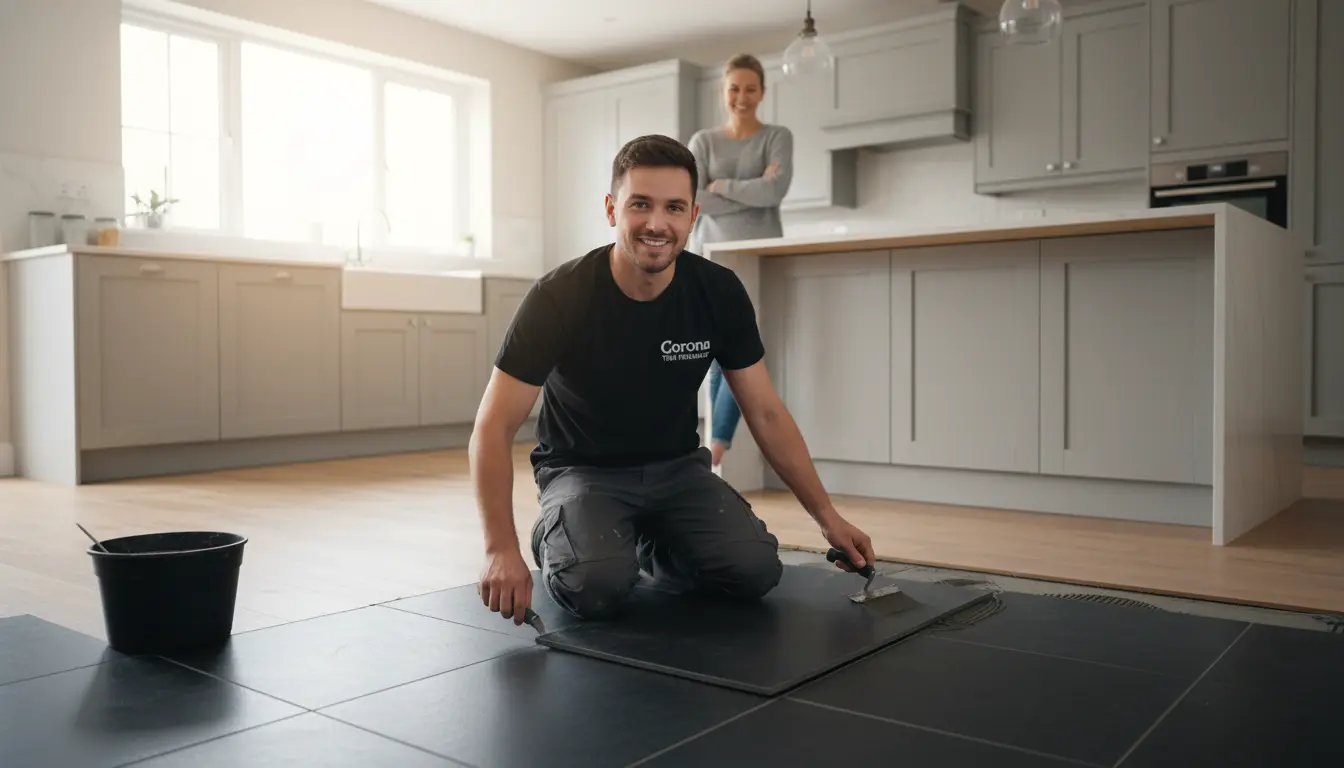
Tile installation is a highly specialized process that requires a deep understanding of the interplay between materials, climate, and substrate conditions. In Southern California, where the weather is characterized by hot, dry summers and mild, wet winters, the challenges of tile installation are unique. The region’s high temperatures and low humidity can cause tile adhesives to dry too quickly, leading to a range of problems, including uneven bonding, cracking, and delamination. Furthermore, the area’s seismic activity demands the use of flexible mortars that can accommodate substrate deflection without compromising the integrity of the tile installation.
In South Corona and other parts of Southern California, homeowners and builders must be aware of these factors to ensure that their tile installations are durable, long-lasting, and visually appealing. This requires a thorough understanding of the technical processes involved in tile installation, including substrate preparation, waterproofing, and grouting. By working with a experienced and knowledgeable tile installer, such as Corona Tile Installer, individuals can ensure that their tile installations are not only beautiful but also functional and safe.
The importance of precision-engineered tile work cannot be overstated, particularly in a region like Southern California where the climate and seismic activity can be harsh. By investing in high-quality tile installations, homeowners can protect their properties from damage, reduce maintenance costs, and enhance their overall value. In the following sections, we will delve deeper into the technical process of tile installation, discussing the tools, materials, and best practices that are essential for achieving optimal results in Southern California.
Technical Process
The technical process of tile installation involves several critical steps, each of which requires careful attention to detail and a deep understanding of the materials and techniques involved. The first step is substrate preparation, which involves ensuring that the surface is level, clean, and free of debris. This may involve the use of specialized tools, such as laser levels and notched trowels, to achieve the desired results. Next, the installer must apply a waterproofing membrane to prevent water from penetrating the substrate and causing damage to the tile or surrounding structures.
Once the substrate is prepared and waterproofed, the installer can begin laying the tile. This involves applying a layer of adhesive, or thinset, to the back of the tile and pressing it firmly into place. The tile must be aligned carefully to ensure that the patterns and spacing are even and visually appealing. After the tile is laid, the installer must apply grout to fill the gaps between the tiles and create a strong, durable bond. This process requires great care, as the grout must be applied evenly and allowed to dry completely to prevent cracking or discoloration.
In Southern California, the technical process of tile installation is complicated by the region’s unique climate and seismic activity. The high temperatures and low humidity can cause tile adhesives to dry too quickly, leading to a range of problems, including uneven bonding, cracking, and delamination. To mitigate these risks, installers must use specialized materials and techniques, such as flexible mortars and advanced grouting systems. By working with a experienced and knowledgeable tile installer, individuals can ensure that their tile installations are not only beautiful but also functional and safe.
Data Comparison Table
When it comes to tile installation, there are many different options to choose from, each with its own unique characteristics and benefits. The following table compares two popular types of tile, ceramic and natural stone, in terms of their porosity, flexural strength, and maintenance requirements.
| Feature/Metric | Ceramic Tile | Natural Stone |
|---|---|---|
| Porosity Rating | 0.1-0.5% | 1-5% |
| Flexural Strength | 200-400 psi | 100-300 psi |
| Maintenance Load | Low | High |
Expert Insights
As a certified senior tile and stone specialist, I have seen firsthand the importance of precision-engineered tile work in Southern California. The region’s unique climate and seismic activity demand a high level of expertise and attention to detail, particularly when it comes to substrate preparation, waterproofing, and grouting. By working with a experienced and knowledgeable tile installer, individuals can ensure that their tile installations are not only beautiful but also functional and safe.
One of the most critical factors in tile installation is the selection of the right materials and techniques for the job. This may involve the use of specialized tools, such as wet saws with diamond blades, and advanced materials, such as polymer-modified thinset and epoxy-based grout. By investing in high-quality materials and techniques, homeowners can protect their properties from damage, reduce maintenance costs, and enhance their overall value. For more information on the best tile installation practices, visit our blog or contact us directly to schedule a consultation.
Pricing
The cost of tile installation in Southern California can vary widely, depending on the type and quality of the materials used, the complexity of the design, and the level of expertise required. The following are some general pricing guidelines for tile installation services in the region:
- Labor costs: $3-6 per square foot
- Material costs: $2-5 per square foot
- Specialized services, such as heated floor installation: $10-20 per square foot
It’s worth noting that these prices are only estimates, and the actual cost of tile installation may be higher or lower, depending on the specific requirements of the job. By working with a experienced and knowledgeable tile installer, individuals can get a more accurate estimate of the costs involved and ensure that their tile installations are completed to the highest standards.
Safety and Standards
Safety and standards are critical components of tile installation, particularly in a region like Southern California where the climate and seismic activity can be harsh. The use of specialized materials and techniques, such as flexible mortars and advanced grouting systems, can help to ensure that tile installations are not only beautiful but also functional and safe. By working with a experienced and knowledgeable tile installer, individuals can ensure that their tile installations meet the highest standards of quality and safety.
Some of the key safety and standards considerations in tile installation include the use of personal protective equipment, such as gloves and safety glasses, and the implementation of safety protocols, such as silica dust containment and removal. By prioritizing safety and standards, homeowners can protect themselves and their properties from harm, while also ensuring that their tile installations are completed to the highest standards.
FAQ Section
What is the best type of tile for a bathroom in Southern California?
The best type of tile for a bathroom in Southern California depends on a variety of factors, including the level of moisture, the amount of foot traffic, and the desired aesthetic. Generally, porcelain or ceramic tile is a good choice for bathrooms, as they are durable, water-resistant, and easy to clean. However, natural stone, such as marble or granite, can also be a good option, particularly for decorative accent walls or floors. For more information on the best tile options for your bathroom, visit our bathroom tile ideas page.
How often should I clean my tile floors?
The frequency of cleaning your tile floors depends on the level of foot traffic and the amount of dirt and debris that accumulates. Generally, it’s a good idea to sweep or vacuum your tile floors daily, and to mop them with a gentle cleaner on a weekly basis. For more information on the best ways to clean and maintain your tile floors, visit our tile maintenance page.
Can I install tile myself, or do I need to hire a professional?
While it’s possible to install tile yourself, it’s generally recommended that you hire a professional, particularly if you’re not experienced with tile installation. Tile installation requires a high level of skill and attention to detail, and mistakes can be costly and time-consuming to fix. By working with a experienced and knowledgeable tile installer, you can ensure that your tile installations are completed to the highest standards, and that you avoid common mistakes, such as uneven bonding, cracking, and delamination. For more information on the benefits of hiring a professional tile installer, visit our professional tile installation page.
What is the difference between ceramic and porcelain tile?
Ceramic and porcelain tile are both popular options for flooring and walls, but they have some key differences. Ceramic tile is made from clay and other minerals, and is often less expensive than porcelain tile. However, it’s also more prone to water absorption and staining. Porcelain tile, on the other hand, is made from a type of ceramic material that’s denser and more durable than traditional ceramic. It’s also more resistant to water and stains, making it a good choice for high-traffic areas and bathrooms. For more information on the differences between ceramic and porcelain tile, visit our tile installation tips page.
Conclusion
In conclusion, tile installation is a highly specialized process that requires a deep understanding of the interplay between materials, climate, and substrate conditions. In Southern California, the unique climate and seismic activity demand a high level of expertise and attention to detail, particularly when it comes to substrate preparation, waterproofing, and grouting. By working with a experienced and knowledgeable tile installer, individuals can ensure that their tile installations are not only beautiful but also functional and safe. For more information on tile installation in Southern California, visit our website or contact us directly to schedule a consultation. We serve a variety of areas, including North Corona and Corona Hills.
At Corona Tile Installer, we’re committed to providing the highest quality tile installation services in Southern California. Our team of experienced and knowledgeable installers is dedicated to ensuring that every tile installation meets the highest standards of quality and safety.
We’re proud to serve the Victoria and Canyon Crest areas, and we’re committed to providing the best possible service to our customers. Whether you’re looking for a simple tile installation or a complex, custom design, we’ve got you covered. Our team is dedicated to ensuring that every tile installation meets the highest standards of quality and safety, and we’re proud to offer a range of services to meet the needs of our customers. Contact us today to learn more about our services and to schedule a consultation.